
Backtesting · Platform Comparison
practical walkthrough

Building a trading strategy is like learning basic cooking. Optimization, on the other hand, is the art of a Michelin chef: you learn exactly how each parameter affects the final result. If your strategy performs “decently” but you want to turn it into a robust profit machine, or if you’re building a new system from scratch — this guide is for you.
Before we start, let’s correct a common myth: optimization is not about finding magic numbers. Many beginners think that if they test 100 different values for an indicator and pick the best one, they’re done. That approach leads to overfitting — the strategy works brilliantly on past data but fails in real markets.
Real optimization means: discovering the region of parameters where your strategy delivers consistent, reliable returns — not a single “perfect” combination.
Have a strategy that “basically” works
Identify the adjustable knobs
Run parameter sensitivity analysis
Validate on unseen data
You cannot optimize something that is broken from the start. First, ensure your strategy has a sound logic and doesn’t bleed equity in a basic backtest. For example, a simple two moving average crossover (50 & 200 EMA) can serve as a foundation.
Every strategy has “adjustment dials”. Examples:
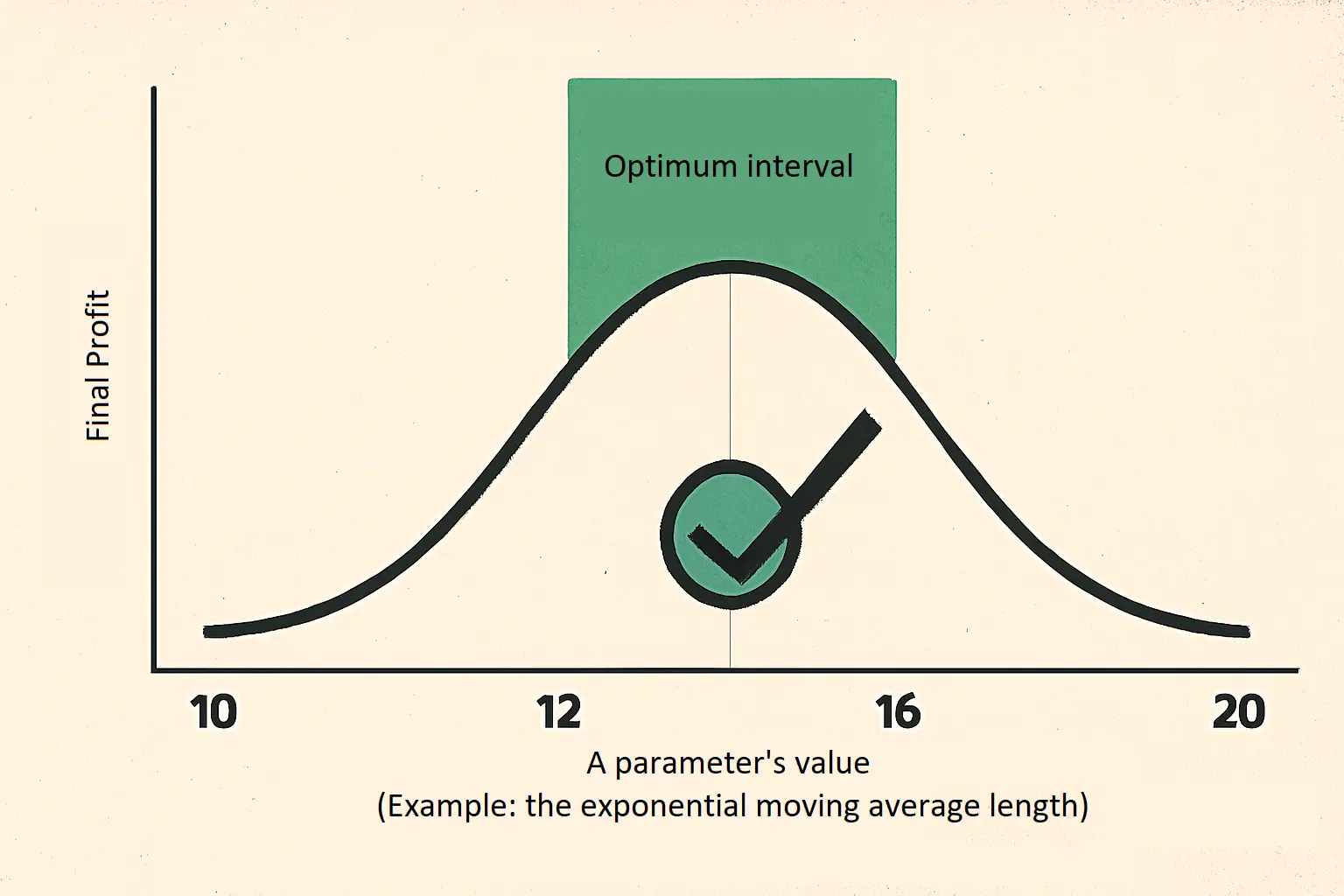
How sensitive is your strategy to small changes? For instance, if you move RSI period from 14 to 16, does performance dramatically change or stay stable? The goal is to find a plateau where the strategy remains robust.
Using Algotradium’s backtest engine
You can run multiple backtests with different parameters. Select one parameter (e.g., RSI length), define a range from 10 to 20 with step 2, backtest each and compare results. The platform makes it easy to spot which ranges generate consistent profit. (For Pro users, Python-based optimization is also possible.)
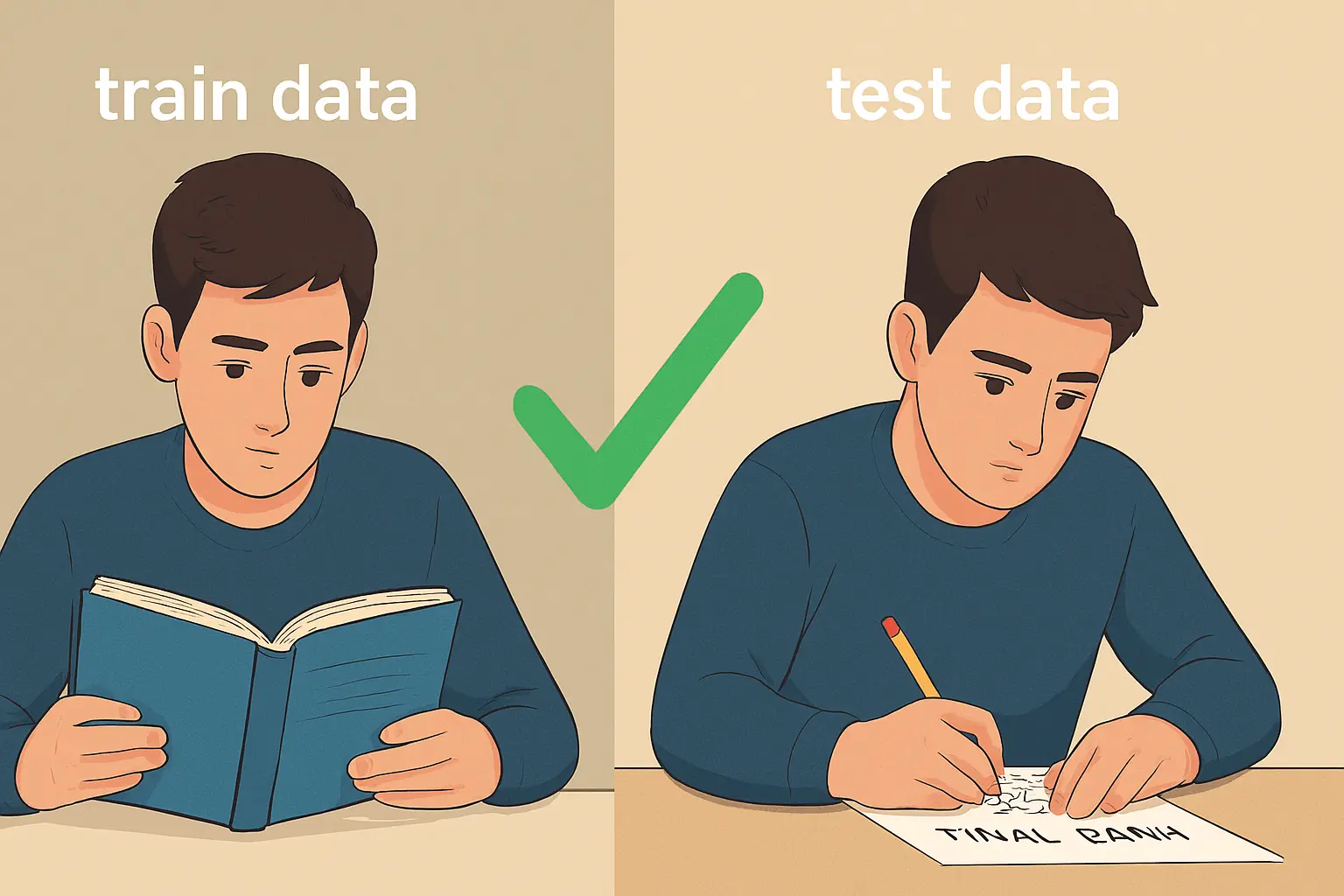
Most traders skip this — but it separates professionals from amateurs. Out-of-sample testing verifies whether your optimization is real or just curve‑fitted.
1 Split historical data (e.g., 70% in‑sample / 30% out‑of‑sample).
2 Optimize parameters using only the in‑sample portion.
3 Apply those same parameters to the out‑of‑sample data without any changes.
3 Evaluate: if performance holds, your optimization is robust.
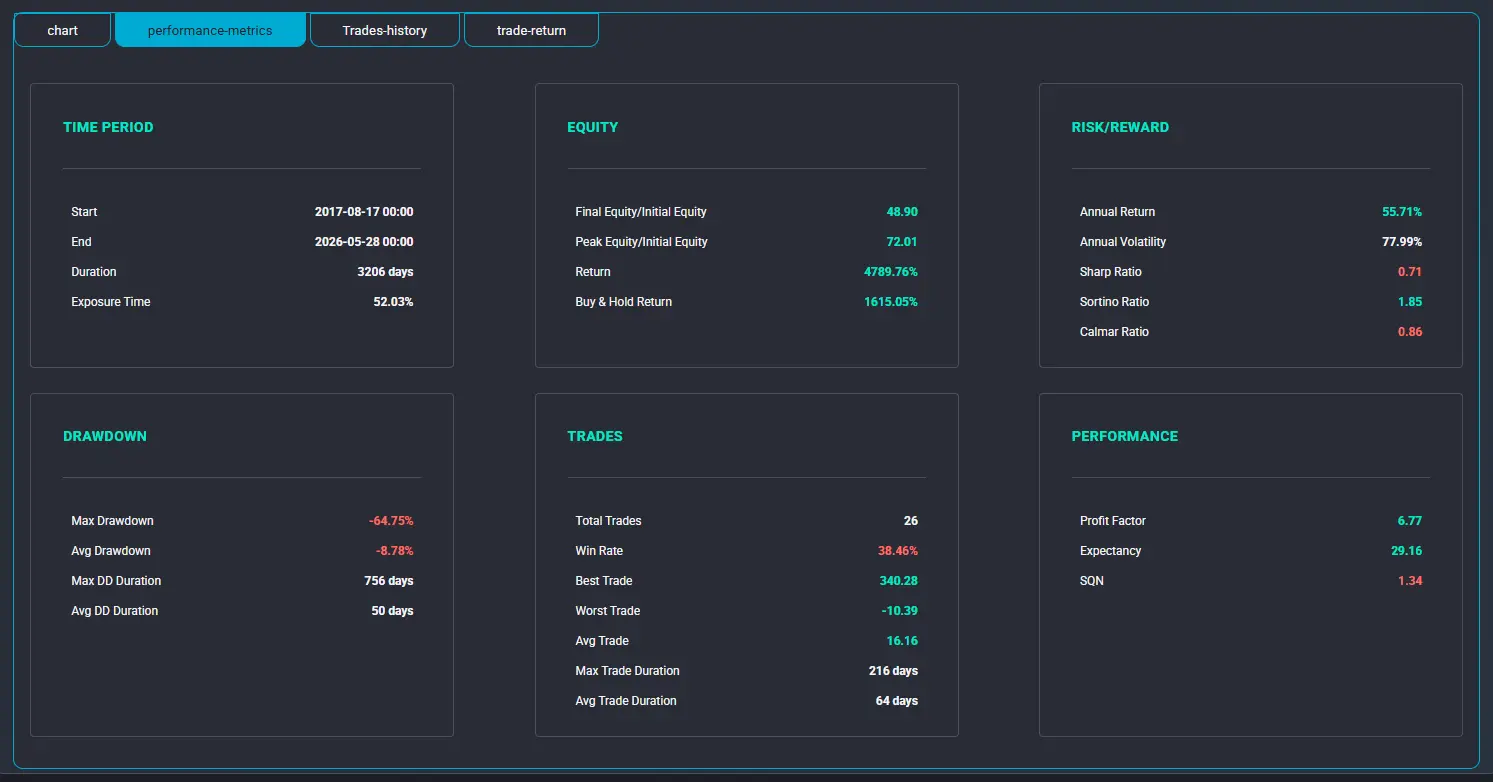
Don’t look only at total net profit. Use metrics that measure stability and risk‑adjusted returns.
You must install software and The silent killer: your strategy becomes too specific to past noise.
Every strategy has an optimal zone — beyond it, more tuning worsens results.
Testing on short or unrepresentative periods gives misleading confidence.
“Buy when RSI < 30”
Test RSI levels 20, 25, 30, 35 → 25 shows better historical results
Add volume condition: volume > 20-day average → improves stabilit
On unseen 30% data, the strategy keeps positive returns → robust
Advanced Algotradium users can also submit optimization requests: specify parameters and ranges, and our team can deliver a full optimization report showing performance across combinations — perfect for complex strategies.
The best strategies aren’t the ones with the highest historical returns — they are the ones that remain stable in future market conditions.
Markets evolve. A strategy that worked perfectly last year might need recalibration today. Make optimization a regular habit: test one parameter per week, run out‑of‑sample validations, and always monitor robustness.
Actionable advice: Today, pick one parameter from your existing strategy. Run a sensitivity test using Algotradium’s backtester, identify the stable region, then validate on out‑of‑sample data. Repeat monthly to keep your system well‑tuned — sometimes a small adjustment makes the difference between an average strategy and an exceptional one.
Algotradium — Your Complete Algotrading Lab